What Is A Microforest?
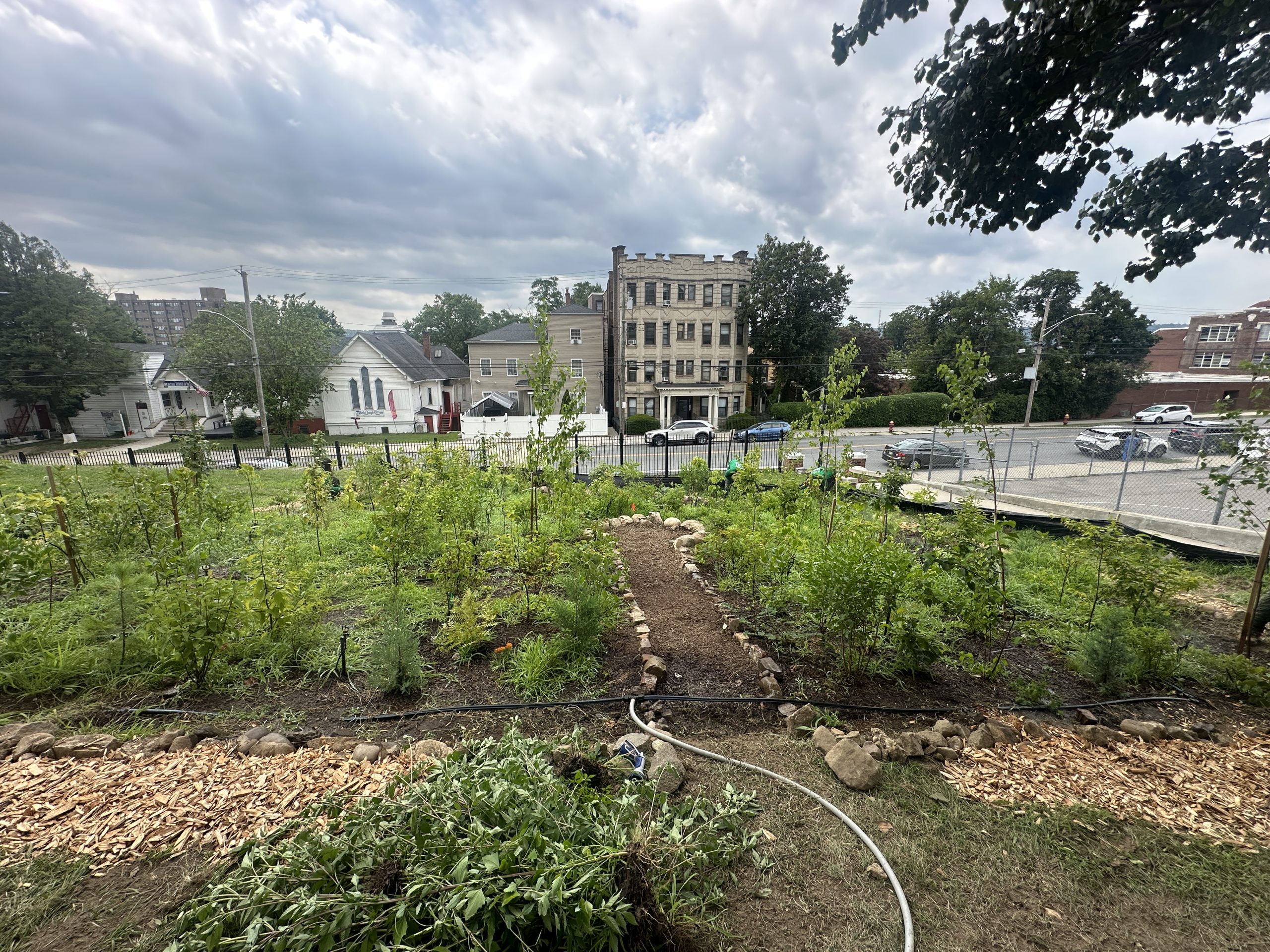
A microforest is a small area planted densely with species native to the local area. Trees grow rapidly in these conditions as they compete for sunlight. In just three years, a microforest will provide shade, reduce flooding, clean the air, provide habitat for animals, and a place for people to relax in nature.
Yonkers’ First Microforest
Groundwork Hudson Valley is building a healthier, more resilient city through green infrastructure projects that tackle flooding, extreme heat, and habitat loss. In April 2025, Groundwork Hudson Valley launched its Microforest Initiative with the planting of the first-ever microforest in Yonkers at the Barack Obama School for Social Justice. Together with students, school staff, volunteers, and community members, we created a living classroom and a powerful tool for climate resilience.
Microforests may be small in size, but they have an outsized impact.
What Does A Microforest Do?
Cools the air
Trees not only provide shade, but they also “sweat” cool water through their leaves. These natural ACs cool the air by 10-20°.
Captures stormwater
Roots underground act as a sponge to absorb rainwater and keep it out of our basements and roadways!
Supports biodiversity
Our 50+ plant species will attract birds, butterflies, and other wildlife. The forest is like a buffet with something for everyone!
Microforest Project at a Glance
native plants
plant species
square feet
Meet The Plants
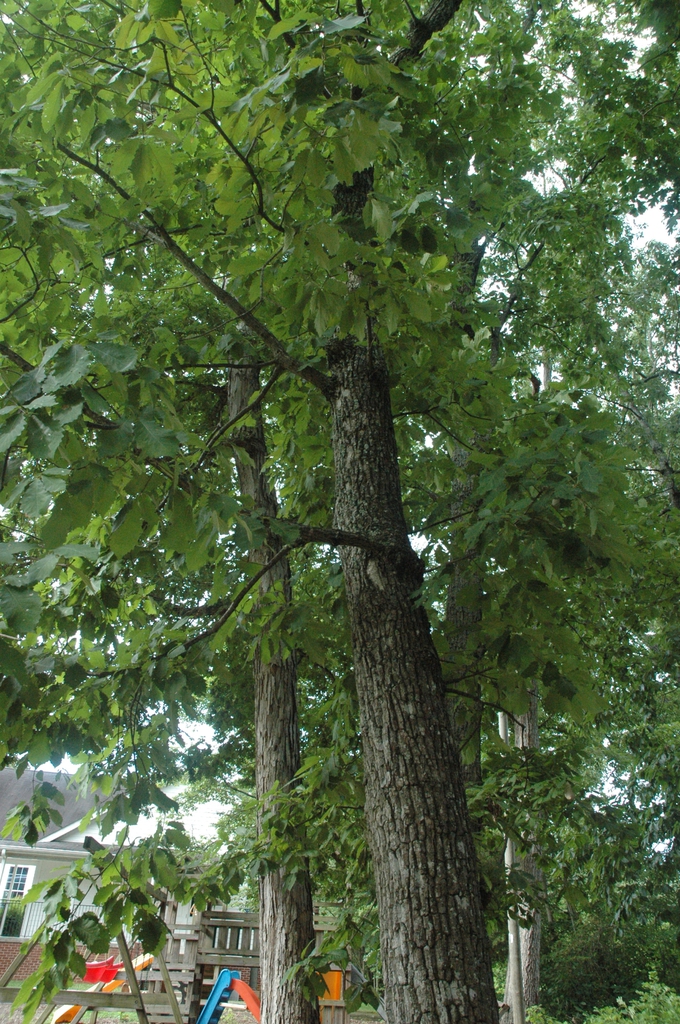
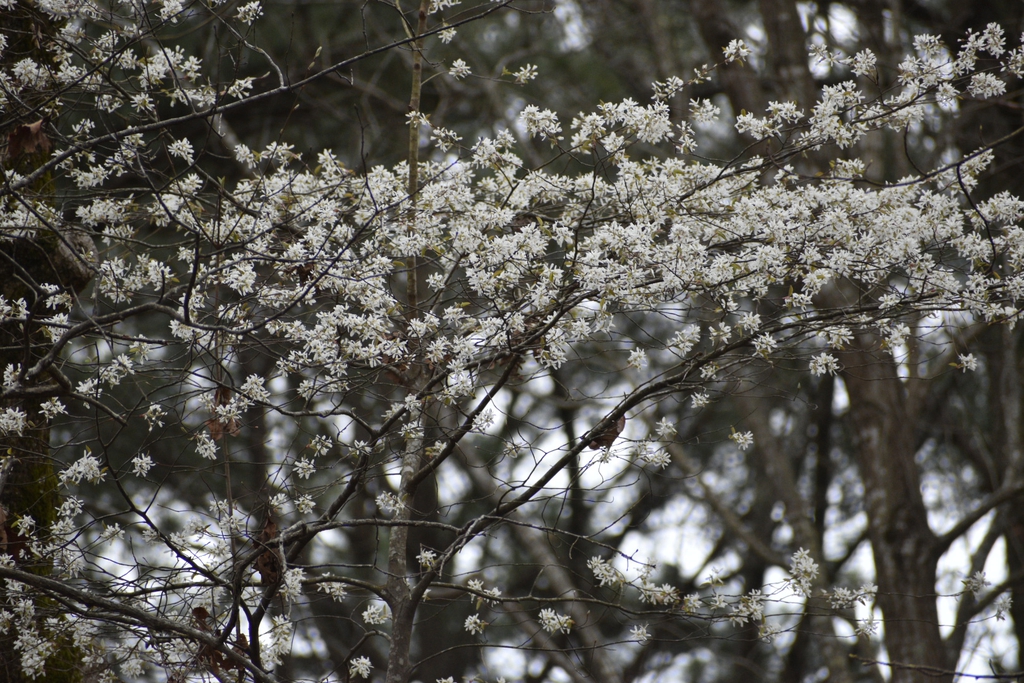
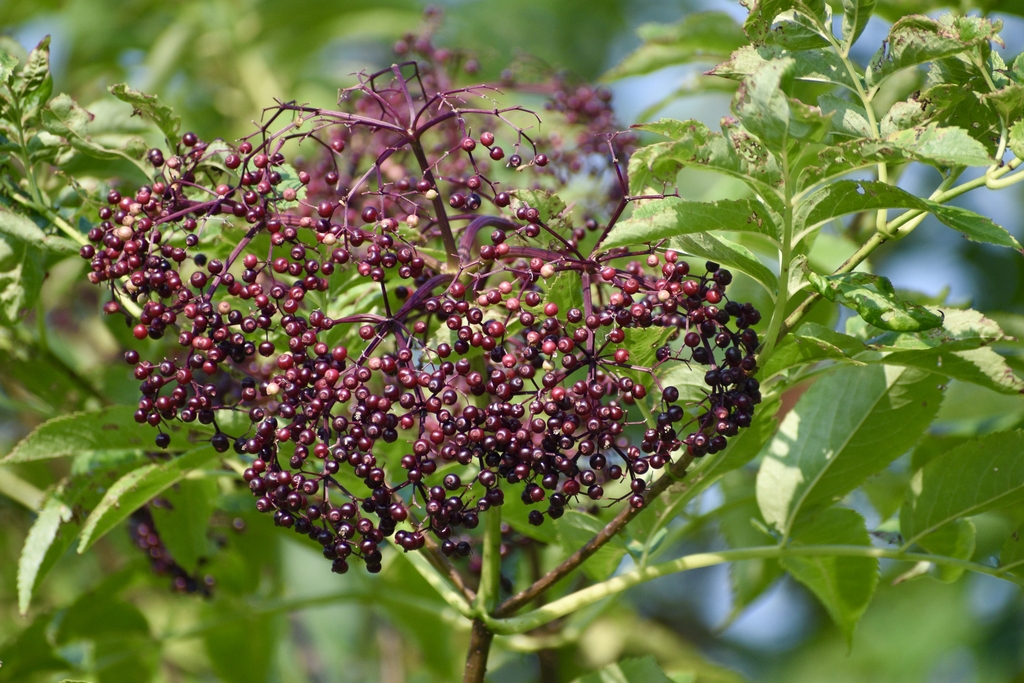
To replicate a natural forest ecosystem, the Barack Obama School for Social Justice's microforest has plants that grow to different heights. This ultimately creates four distinct layers: canopy trees, understory trees, shrubs, and herbaceous plants. Here are some featured plants from each forest layer.


Want the full list of plants?
Our Yonkers microforest is made up of carefully selected native trees, shrubs, and groundcovers that work together to cool the air, absorb stormwater, and provide habitat for birds and pollinators.
This initiative is made possible through the support and collaboration of: